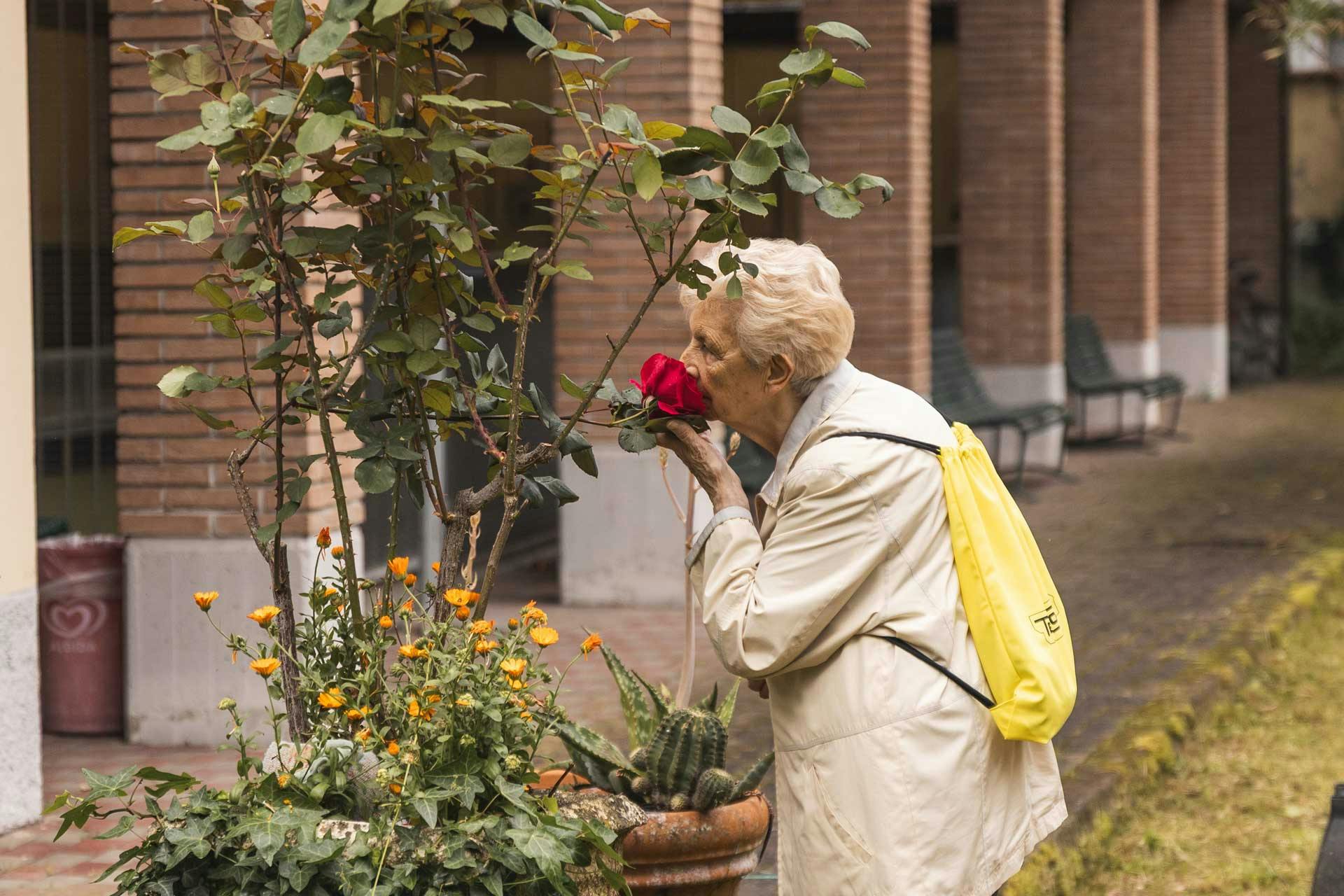
Before It Becomes Invisible
15 maggio 2025
A journey through the city that listens, prevents, and cares—before discomfort becomes diagnosis.
Milan, 2030. It’s an ordinary day: the sound of trams blends with footsteps, cafés slowly fill up, schools come to life. But beneath the surface, something has changed. Nothing flashy, no new futuristic buildings. And yet, in certain corners of the city, a new kind of attention is perceptible: a teacher who slows down, a pharmacist who listens a bit longer than usual, a librarian who walks a teenager to a breathing workshop.
It’s the city taking care of its people—gently, quietly, diffusely. Before discomfort takes over. Before it becomes invisible.
This is the vision behind Milano Wellness City 2030: a model of wellbeing that doesn’t stop at treatment, but focuses on prevention. That distributes care and presence throughout the spaces of daily life. That sees mental health as part of an urban culture, not an exception to be managed.
Schools, Pharmacies, Libraries: Everyday Places Turned Care Hubs
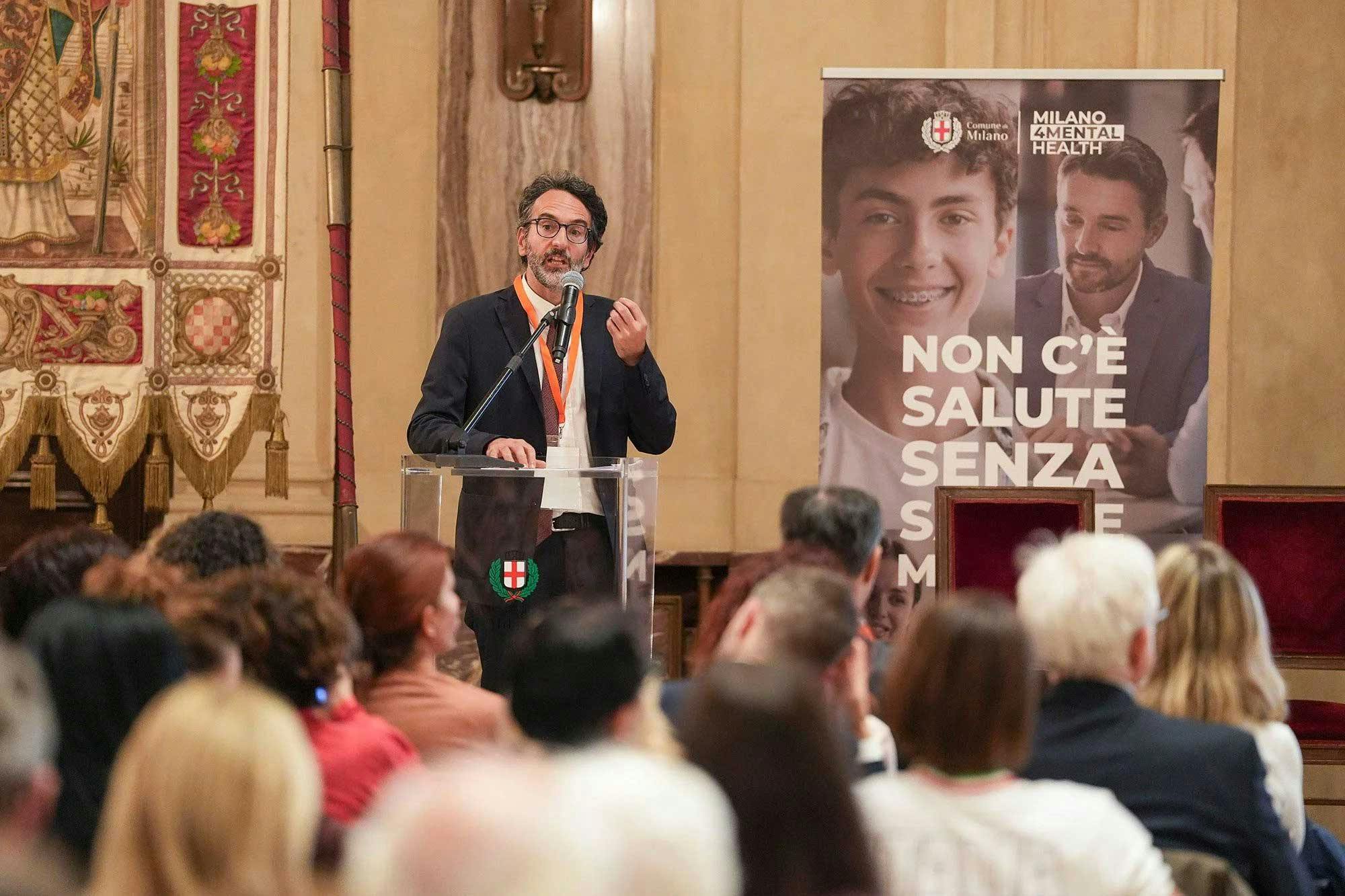
At the heart of this transformation lies Milano4MentalHealth, a citywide network bringing mental health services into schools, pharmacies, and cultural centers, through counseling desks, awareness workshops, and peer education programs.
The goal is simple: to intervene early—when discomfort is still just a lump in the throat or a recurring headache, before it becomes a diagnosis.
And the numbers show how urgent this vision is. One in three adolescents feels sad or unmotivated every day. A third struggles with self-acceptance. Psychosomatic symptoms, insomnia, irritability, dizziness—often hidden signs, silent and submerged.
The Need for Real Connection
In a hyperconnected age, emotional loneliness is on the rise. Not physical, but relational. Young people seek places where they can feel seen, not just evaluated. They want relationships, not just solutions. Educational programs confirm it: school counseling desks are used to talk, to find new words for old feelings—anxiety, insecurity, fear.
In this Milan that prevents, ordinary places become extraordinary outposts. And mental health becomes part of the landscape.
Work as a Wellness Ecosystem
But discomfort doesn't affect only the young. Adults—often seemingly “functional”—also pay the price of a fragile balance.
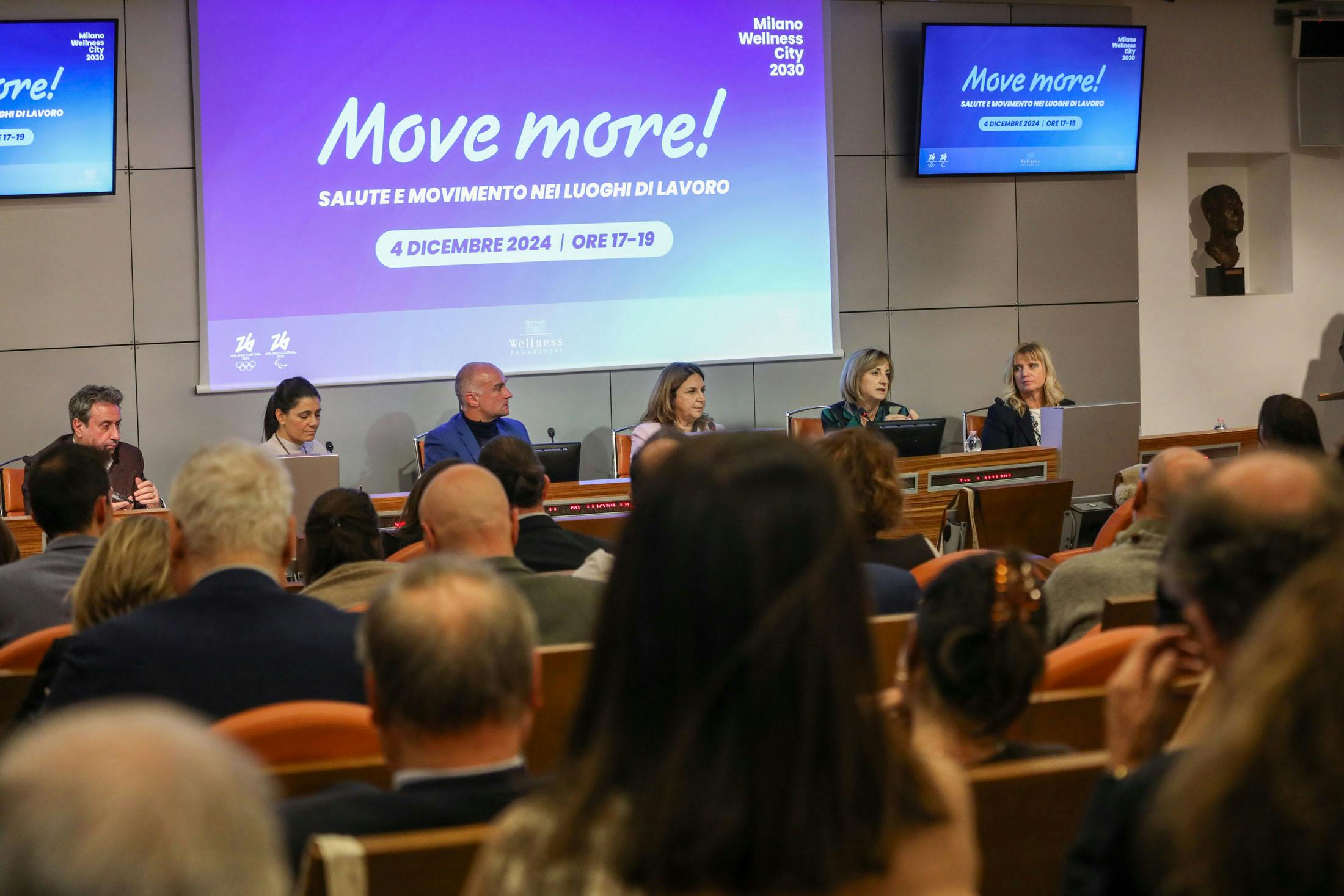
In the service sector, 77% of working hours are spent sitting. The consequences are not only physical but emotional: loss of motivation, burnout, lack of meaning.
This is why initiatives like Move More!, created with Assolombarda and Fondazione Milano Cortina 2026, are changing the way offices are inhabited. From active breaks to corporate gyms, from team challenges to active mobility projects—work becomes a place that regenerates, not just produces.
Because mental health and work are not separable. And because wellbeing is not a benefit—it’s a prerequisite for any healthy organization.
Moving Bodies, Breathing Minds
Physical activity is one of the main allies of mental health. This is clearly shown by the outdoor gym launched at Giardini Montanelli by Technogym and the City of Milan: a public, free space with smart equipment and personalized programs accessible via QR code.
But the real test lies with the over-65s, often left out of wellness discussions. The data is clear: 60.1% don’t get enough exercise, 73.5% live with at least one chronic illness, 14.5% are obese, and 9 in 10 don’t eat enough fruits and vegetables. Aging is no longer just a matter of age—it’s a public health challenge.
AMIS: Aging Together, Better
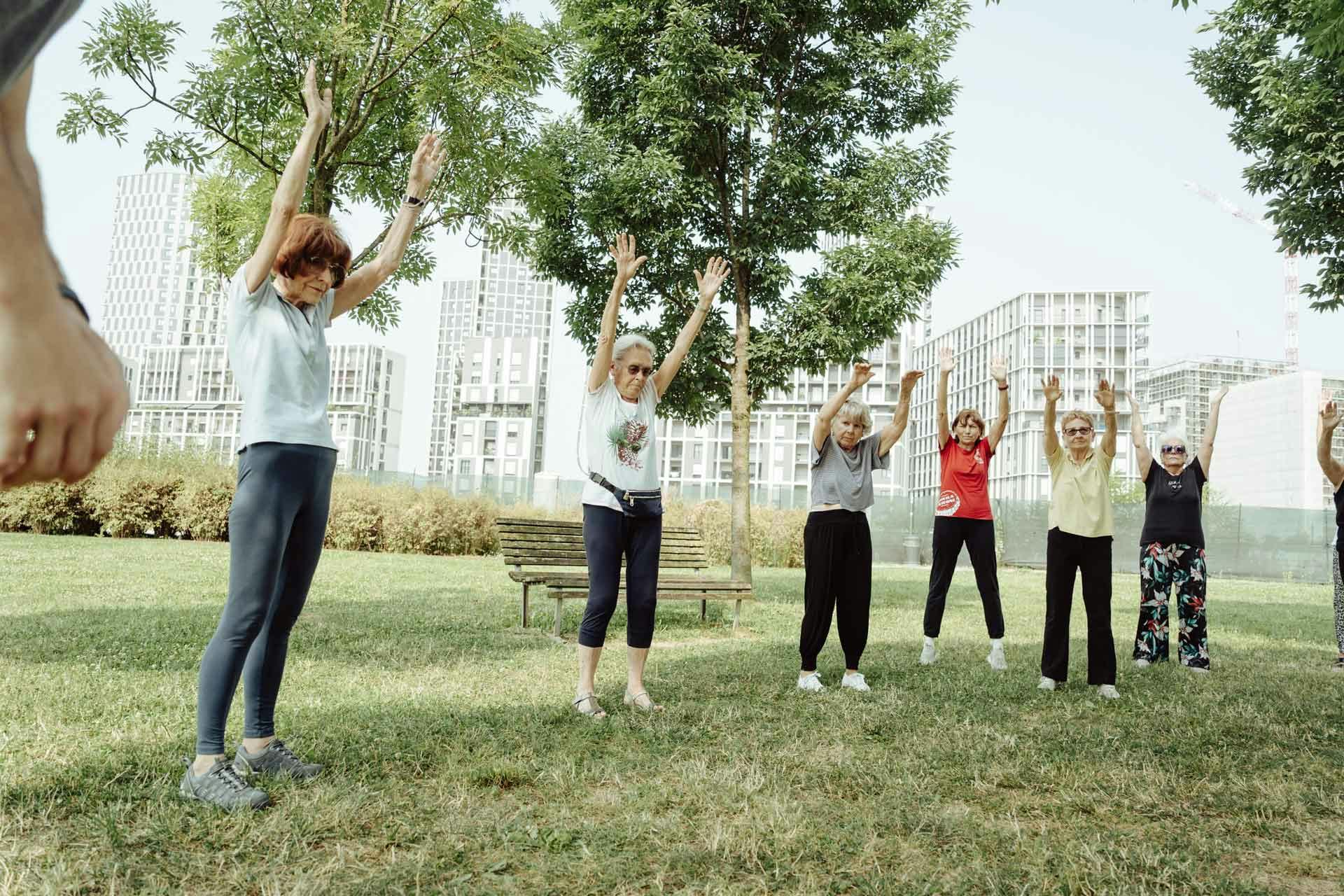
The response is AMIS – Activities and Movement Together for Health. A project born in Milan’s neighborhood centers, offering weekly gentle walks, balance exercises, healthy snacks, and “wellness pills” on sleep, nutrition, and mental positivity.
It’s not just a motor program—it’s a form of organized social life. In Milan, nearly 72,000 people over 60 live alone, and 75% don’t attend community spaces. Isolation multiplies vulnerability: it raises the risk of depression, cognitive decline, and chronic diseases.
AMIS breaks this cycle. It builds active, autonomous, aware communities. Because living longer isn’t enough—if we don’t live better.
A Culture of Prevention
The vision driving all of this is clear: anticipation.
“The ability to predict illness before it manifests will be the greatest revolution of our time”.
Nerio Alessandri
Founder and President of the Wellness Foundation and TechnogymWith the Wellness City 2030 project, Milan has chosen to make this idea tangible: to turn prevention into a shared lifestyle.
An urban ecosystem where medicine, education, architecture, sport, art, and food work together to create a city that supports, accompanies, includes.
In this framework, mental health is not a separate chapter. It is the invisible thread that ties everything together. It is the sign of a city that truly cares.
And it does so before discomfort becomes invisible.